
Blog Topics
Tree health care in Northern Virginia this time of year is about preparing trees for what spring brings, not reacting after problems appear. Structural issues, soil stress, and overwintering pests can already be present beneath the surface, even as temperatures begin to warm. Identifying these concerns before buds open allows for more effective treatments, smarter pest prevention, and fewer surprises once the growing season is underway.
Key Takeaways
- D-shaped holes, bark damage, and unusual oozing indicate emerald ash borer, ambrosia beetles, or disease problems that require immediate professional treatment before spring growth begins.
- Spotted lanternfly and spongy moth egg masses appear as gray muddy patches and tan fuzzy clusters on bark that can be identified and removed during winter dormancy, when they’re most accessible.
- Random dead branches scattered throughout the canopy signal root or vascular problems that are more serious than normal lower branch dieback and need expert diagnosis.
- Soil problems around tree bases, like mushrooms, waterlogged conditions, and exposed roots, weaken a tree’s natural defenses against spring pest infestations.
- Early detection and prevention during winter assessments cost significantly less than emergency treatments and can prevent expensive tree removal later.
4 Signs Your Trees Need Professional Care This Spring
Many tree health problems leave visible clues during winter, even before pests and diseases become active. Without leaves masking the canopy, damage and insect activity are easier to spot on branches, bark, and at the base of the tree. Paying attention to these indicators now helps homeowners understand which issues need professional attention before spring growth begins.
” What surprises most homeowners is how often trees show stress before pests are even active. Delayed leaf-out, scattered dieback, or poor early growth usually means something more serious is going on.” – Logan Jones, Founder & ISA Certified Arborist at Riverbend Landscapes & Tree Service
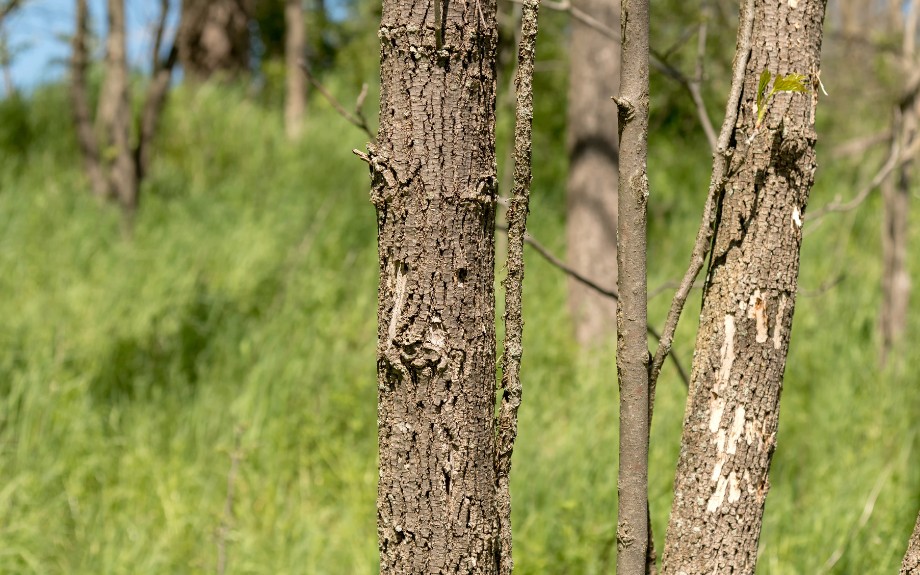
D-shaped emergence holes approximately 1/8 inch in diameter are the telltale sign of emerald ash borer activity, often accompanied by woodpecker damage as birds search for larvae beneath the bark.
#1: Unusual Holes or Bark Damage
Small D-shaped holes about 1/8 inch in diameter are the telltale sign of emerald ash borer activity, while larger round holes typically indicate other boring insects like ambrosia beetles. Some other signs of disease or pest problems with your trees include:
- Vertical cracks
- Sunken cankers
- Areas where tree sap is oozing
Dormancy provides the best visibility for trunk inspection, since summer foliage won’t obstruct your view. Fresh emergence holes from the previous growing season remain clearly visible, and you can easily access the entire trunk circumference for close examination. It is also easier to spot subtle changes in bark texture or color that indicate developing problems.
PRO TIP: Pay attention to woodpecker activity. Woodpecker damage often reveals underlying insect infestations, as these birds target trees with bug problems.
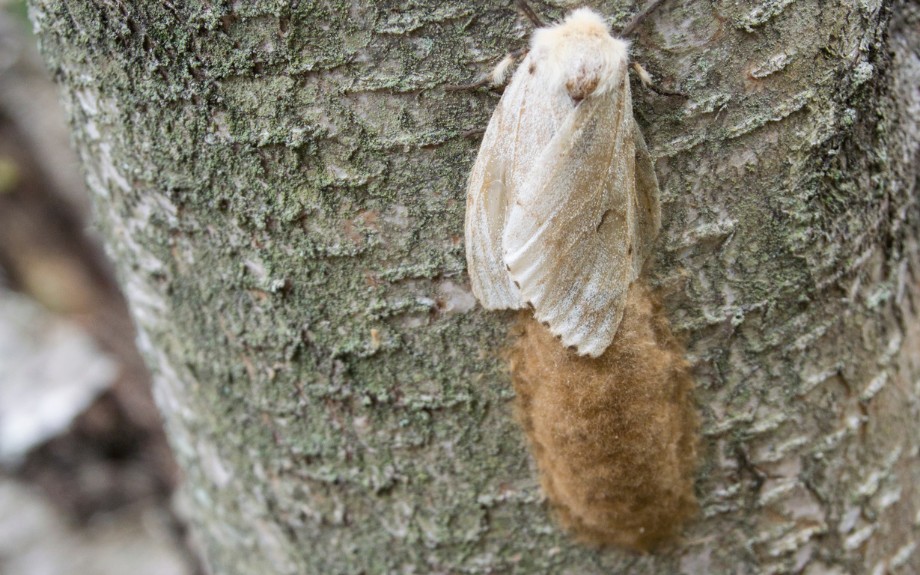
Spongy moth egg masses appear as buff or tan-colored fuzzy clusters measuring 1-2 inches long, typically found in bark crevices during winter inspections.
#2: Visible Egg Masses
Spotted lanternfly egg masses appear as gray or brown muddy-looking patches about one inch long, often resembling dried putty smeared on bark surfaces. Spongy moth egg masses look like buff or tan-colored fuzzy clusters measuring 1-2 inches long, typically found in bark crevices or branch unions.
Other common overwintering egg masses to watch for include:
- Eastern tent caterpillar eggs that appear as dark, shiny bands wrapped around smaller branches
- Scale insect eggs that leave white, waxy deposits in bark crevices and branch unions
- Fall webworm eggs that overwinter in protected bark areas and can be difficult to spot without close inspection
Document egg mass locations with photos before attempting any removal, as proper identification determines the correct treatment approach. Some egg masses can be scraped off and destroyed, while others require specific removal techniques to prevent spreading viable eggs. If you aren’t sure what type of eggs are on your trees or how to dispose of them, have a Certified Arborist help with the process.

Dead branches scattered randomly throughout the canopy often signal underlying root or vascular system problems that require professional assessment.
#3: Delayed or Uneven Spring Budding
Keep a close eye on how leaves and buds develop on your trees in the spring. Branches with no buds are likely dead. One-sided canopy thinning often indicates root damage from construction activities or soil compaction, while branch tips dying back progressively from the ends inward suggests systemic stress.
Arborists can get into a tree in the winter and identify dead branches from the dormant ones to help you determine if you have a hidden tree problem.
Some of the reasons for premature branch dieback include:
- Root damage from construction, utility work, or soil compaction
- Vascular diseases like oak wilt or Dutch elm
- The previous year’s insect damage from emerald ash borer or spongy moth defoliation
Determining whether dieback indicates a treatable condition versus imminent tree failure requires expert evaluation of the root system, trunk integrity, and overall tree health. Early intervention can often save stressed trees through targeted treatments, soil improvements, or structural support systems. Certified Arborists assess safety risks from weakened branches and recommend appropriate action before spring weather increases the likelihood of branch failure.
#4: Unusual Growth or Conditions at the Tree Base
Trees in Northern Virginia often grow under challenging conditions that place extra stress on their root systems. Heavy clay soils common in Fairfax and Loudoun counties can limit drainage and restrict root growth, while construction-related compaction and winter road salt exposure further weaken roots over time. These below-ground stresses reduce a tree’s ability to defend itself against pests and disease.
Visible warning signs to watch for around the base of a tree include:
- Mushrooms or fungal growth at the trunk flare, which may indicate root decay or poor drainage
- Soil that appears heaved, cracked, or consistently waterlogged, signaling drainage problems that damage feeder roots
- Exposed surface roots, especially girdling roots that circle the trunk, often caused by compaction or planting issues
When root health is compromised, trees struggle to absorb the water and nutrients they need, leaving them more vulnerable to insect infestations and disease as the growing season begins.
Professional soil testing can identify underlying issues such as pH imbalance, nutrient deficiencies, or compaction. Addressing these problems before spring growth starts improves treatment effectiveness and supports stronger, more resilient trees throughout the season.
Frequently Asked Questions About Tree Health Care for Pest Prevention
When should I start thinking about tree pest prevention in Northern Virginia?
Late winter is the optimal time to begin pest prevention planning, as it allows for early identification of problems and treatment before pests become active in early spring.
Can I remove pest egg masses myself, or do I need a professional?
While some egg masses, like spotted lanternfly, can be safely scraped off by homeowners, proper identification is crucial since removal techniques vary by species. Professional identification ensures you’re using the correct removal method and disposal protocols to prevent spreading viable eggs.
What are the biggest pest and disease threats in Northern Virginia?
Beyond the major threats mentioned above, Northern Virginia properties face numerous other pest and disease challenges that require professional identification and treatment:
- Emerald ash borer killing untreated ash trees throughout the region
- Spotted lanternfly now established across Northern Virginia, stressing trees and ornamentals
- Spongy moth causing repeated defoliation of oaks and other hardwoods
- Crape myrtle bark scale affecting ornamental plantings
- Thousand cankers disease threatening walnut trees
- Spider mites damaging evergreens and ornamentals
- Boxwood blight destroying landscape hedges
- Ambrosia beetles targeting stressed trees
- Scale insects affecting various tree species
- Anthracnose diseases on dogwoods and other native trees
- Aphid infestations on ornamental plantings
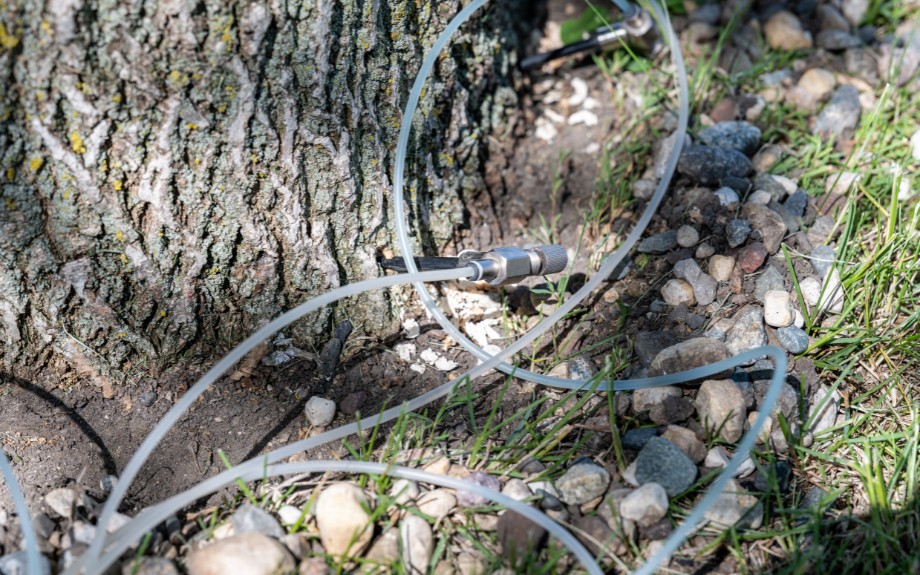
Professional tree injection systems deliver targeted treatments directly to the tree’s vascular system for effective pest and disease control.
Don’t Wait for Spring Pest Problems – Schedule Your Tree Health Assessment Today
Planning tree health care before spring growth begins allows arborists to identify early warning signs and address problems proactively. Early identification of unusual holes, egg masses, branch dieback, soil problems, and environmental stress prevents costly tree loss. Northern Virginia’s specific pest threats require professional expertise for proper identification and effective treatment timing.
Don’t wait for spring pest emergence to discover these warning signs in your trees. The Certified Arborists at Riverbend will be able to diagnose your trees and set up a spring treatment schedule. Call us today at 703-402-9366 or request an estimate online.

Give Us a Call at 703-402-9366
If you'd like help with your trees or landscape, have any questions, or would like to schedule an appointment with one of our Certified Arborists, please give us a call. We'd love to hear from you!
Other Articles on Our Blog