
Blog Topics
Many homeowners make the smart decision to invest in winter tree pruning, but then make the mistake of thinking that’s the end of tree care for the year. In fact, it’s just beginning. The pruning wounds on your tree are still healing, using up energy and leaving your tree vulnerable as it enters the critical spring season.
A little care in the spring with inspections, fertilization, and insect and disease prevention programs can be the difference between a healthy tree and one that struggles to survive the year.
Key Takeaways
- Professional spring assessment evaluates wound healing progress and identifies complications, like poor callus formation, pest activity around cuts, or signs of decay, before they become serious problems.
- Recently pruned trees must divide their energy between healing pruning wounds and producing new spring growth, making proper nutrition and care especially important.
- Enhanced pest and disease monitoring protects fresh pruning cuts from insects and pathogens that actively target vulnerable wound sites during the first growing season.
- Preventive spring care helps address small issues early, reducing the risk of more serious damage later in the growing season.
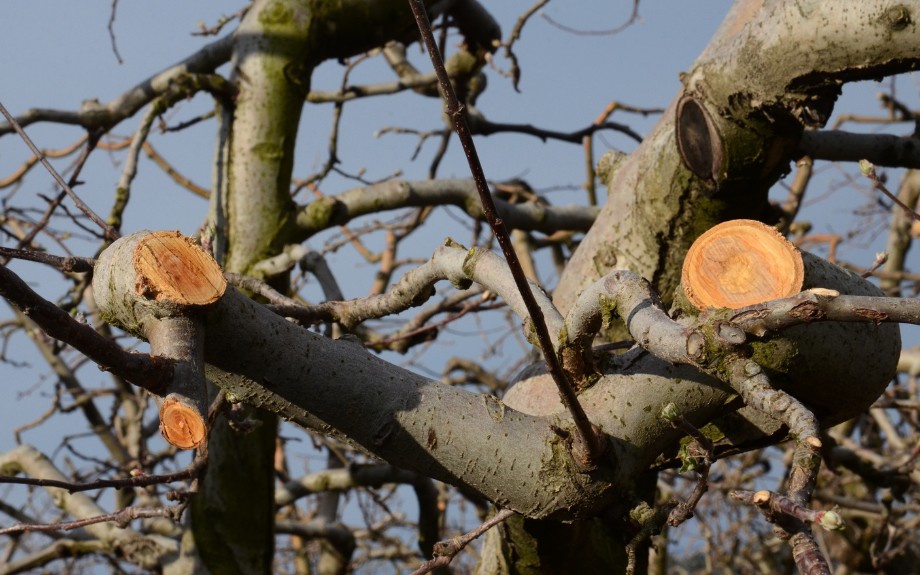
Proper pruning cuts heal quickly and reduce the risk of disease entry, promoting long-term tree health and structural integrity.
Why Recently Pruned Trees Are Vulnerable in Spring
If you had your trees pruned this past winter, spring is an important time to check on how they’re healing. Pruning cuts made during dormancy begin sealing as temperatures rise – and monitoring that process helps ensure your trees stay healthy.
As trees become active again, they begin forming callus tissue to seal pruning wounds. During this healing period, those cuts can be vulnerable to insects, pathogens, and other environmental stress. If healing does not progress properly, decay or pest activity may begin around the cut and spread into the surrounding wood.
Monitoring recently pruned trees in early spring helps ensure the healing process is progressing as expected. An ISA Certified Arborist can evaluate callus formation, check for signs of pest or disease activity around pruning wounds, and identify potential problems before they become serious threats to the tree’s health.
“Even when you perform winter pruning perfectly, it’s always beneficial to take a look at how the tree is reacting to it in the spring. If callus formation isn’t progressing properly or you’re seeing pest activity around cuts, waiting even a few weeks can turn a minor issue into an expensive tree removal.” – Logan Jones, ISA Certified Arborist and Owner at Riverbend Landscapes & Tree Service
What Should I Do for My Recently Pruned Trees in Spring?
The following steps help support healing and protect trees during the early stages of the growing season.
Spring Assessments to Catch Problems Early
Pruning cuts that aren’t healing properly can lead to decay, pest entry, or structural weakness. Professional assessment in early spring catches these issues when corrective action is still possible. For trees with fresh pruning cuts, environmental stresses can complicate the healing process, making expert evaluation essential.
An assessment is especially vital to a tree that received significant structural pruning. An arborist can determine if they are directing their energy appropriately toward new growth rather than stress responses.
Professional assessment for recently pruned trees focuses on wound sites and healing progress, including:
- Callus formation evaluation around pruning cuts
- Detection of decay or infection at wound sites
- Assessment of proper energy allocation to healing vs. new growth
- Identification of pest activity targeting fresh cuts
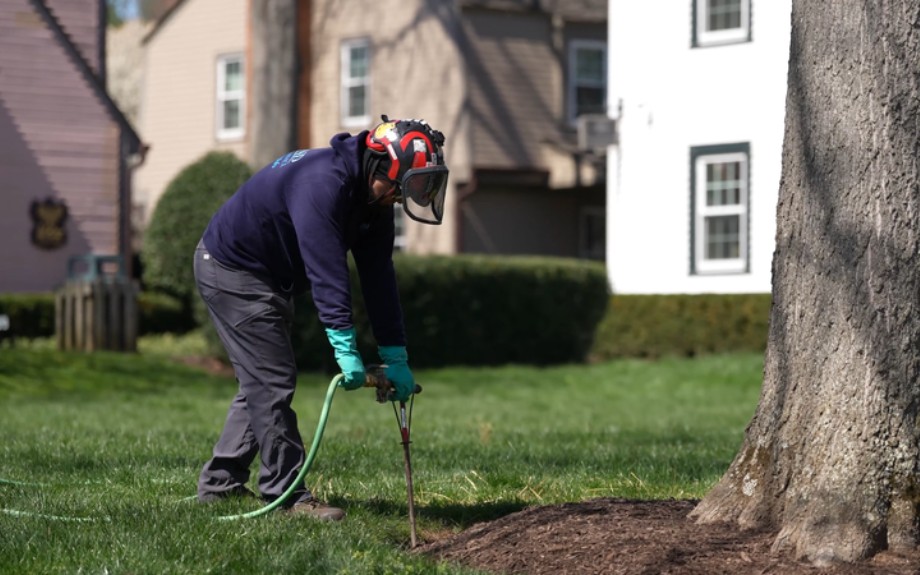
Trunk injection delivers targeted nutrients and treatments directly into the tree’s vascular system for maximum effectiveness.
Fertilization to Accelerate Wound Healing
Pruned trees face dual energy demands: healing multiple wounds while producing new growth. Early spring fertilization coincides with the time trees are attempting to create calluses after pruning, necessitating substantial energy and nutrients. This timing prevents competition between healing and growth, ensuring both processes succeed.
Recently pruned trees have enhanced nutritional needs that generic fertilizers can’t address. Professional soil testing identifies specific deficiencies that slow healing, while custom nutrient blends provide exactly what wounded trees need for rapid callus formation.
Balanced fertilization helps pruned trees compartmentalize wounds effectively while maintaining vigorous growth throughout the canopy.
WARNING: Not all trees will need spring fertilization, even after pruning. Always consult a professional arborist and have them handle your fertilization based on soil nutrient deficiencies.
Professional Monitoring to Prevent Insect and Disease Problems
Fresh pruning cuts create entry points for insects and diseases that can devastate healing trees. Professional monitoring becomes essential to protect vulnerable wound sites during the critical first growing season.
Monthly monitoring by ISA Certified Arborists targets wound sites specifically, applying preventive treatments before problems establish and spread throughout the tree.
This protection is most critical during the first growing season when callus tissue is still forming, and wounds remain vulnerable. Pruned trees requiring immediate protection include those with large cuts, multiple wounds, or cuts made during stressful conditions.
Preventing diseases from infecting your trees not only lowers stress on the tree, but it is also more cost-effective for you. Preventive treatments are much more affordable and effective than treatments after an infection takes hold or an insect is established.
Frequently Asked Questions About Spring Tree Care for Recently Pruned Trees
When should I schedule spring tree services in Northern Virginia?
Early spring is optimal for assessment and fertilization when soil temperatures warm, but before peak growing season demands. For recently pruned trees, early spring scheduling ensures wounds are monitored before pest activity peaks. Insect and disease control programs will vary depending on tree species and weather patterns but will generally need to start in spring.
Do I need all three services, or can I choose just one?
While each service provides individual value, they work synergistically for optimal results. Assessment identifies needs, fertilization supports growth, and insect and disease control provide ongoing protection throughout the growing season. Recently pruned trees benefit most from the complete package to ensure successful recovery.
How do I know if my trees need professional spring care?
All trees benefit from a professional spring assessment, especially after winter stress or recent pruning. Recently pruned trees should always receive professional spring care to monitor wound healing. Signs like delayed bud break, unusual growth, or visible damage also indicate that you need immediate professional evaluation.
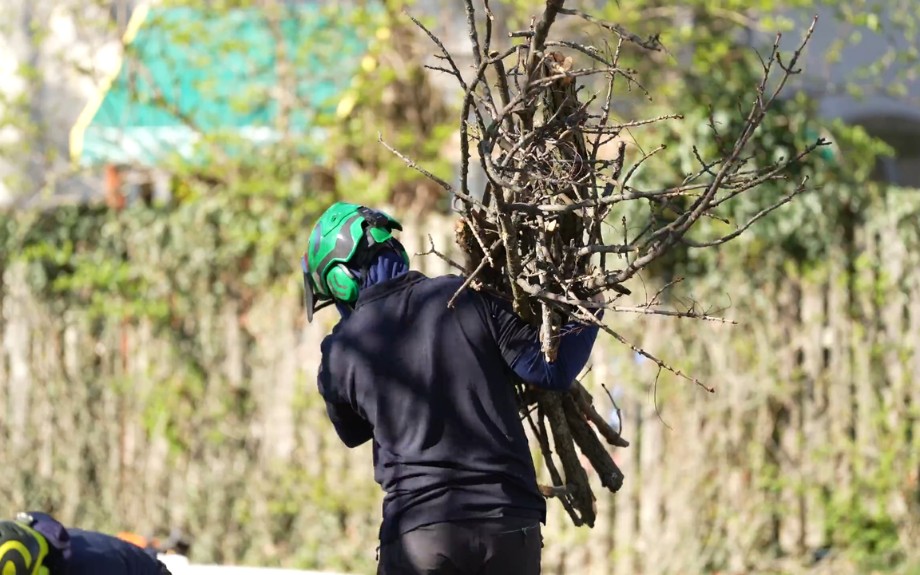
Professional cleanup is an essential part of every tree service project, ensuring your property is left in pristine condition.
Give Your Trees the Spring Care They Deserve
Spring timing in Northern Virginia creates an optimal window for essential tree care services that ensure healthy growth throughout the demanding months ahead. Professional assessment, strategic fertilization, and ongoing health monitoring work together to protect your landscape investment while preventing expensive problems before they develop.
The team at Riverbend has extensive experience working with recently pruned trees to ensure they are on the path to recovery. We’ll examine your trees, ensure the healing process is going according to plan, and suggest services that will further benefit tree health if they could use some help. Call us today at 703-402-9366 or request an estimate online .

Give Us a Call at 703-402-9366
If you'd like help with your trees or landscape, have any questions, or would like to schedule an appointment with one of our Certified Arborists, please give us a call. We'd love to hear from you!


Other Articles on Our Blog