
Blog Topics
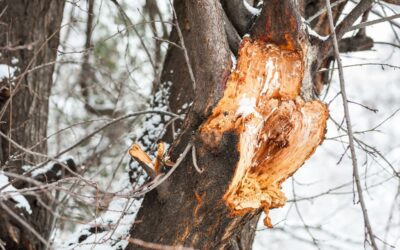
One bad pruning job can set your tree’s health back years and, in some cases, cause permanent damage. In Arlington, Great Falls, McLean, Reston, and Fairfax, homeowners often don’t realize until it’s too late that the cheapest quote came from a crew cutting corners on safety, training, or industry standards.
If you’re wondering how to choose a tree pruning service in Fairfax, Loudoun, and Montgomery counties, this guide explains what to look for, from ISA Certified Arborists and proper insurance to ANSI pruning standards, so you can hire with confidence and protect your trees.
Key Takeaways
- Look for a tree pruning company with an ISA Certified Arborist on staff who ensures the team follows ANSI A300 standards.
- Check for multiple positive reviews that specifically mention the company’s pruning service and attention to detail.
- Request a certificate of insurance showing both liability coverage and workers’ compensation before hiring.
- Industry memberships with the ISA or TCIA indicate a company’s commitment to following professional standards.
- Avoid deals that seem too good to be true; improper pruning can damage your trees and lead to costly repairs down the road.
6 Things to Look for in a Tree Pruning Company
Knowing what to look for when hiring a professional tree pruning company and what separates the best companies from the rest is crucial to ensuring you get the best tree care possible.
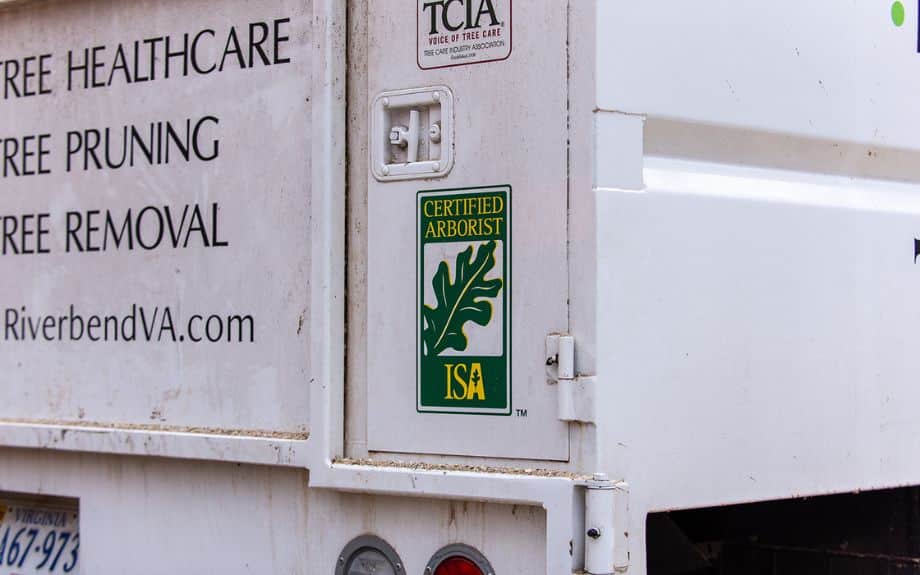
1. ISA Certified Arborist on Staff
The International Society of Arboriculture (ISA) is a non-profit organization that promotes the best practices in tree care. The group provides resources for tree care professionals to help them always do what is best for trees.
Aside from providing resources, the ISA also provides credentials for tree care professionals with a breadth of knowledge and practical experience. By fulfilling the proper requirements and passing an exam, a tree care professional can earn the credential as an ISA Certified Arborist.
A professional tree care company will employ an ISA Certified Arborist on staff who can lend their expertise to each project they work on. They’ll know the best way and time to prune your trees without causing them harm.
2. Adherence to ANSI A300 Standards
Aside from the ISA, the Tree Care Industry Association (TCIA) is the other central body providing techniques and outlines for tree care. The TCIA has published the ANSI A300 standards, which are voluntary requirements for tree pruning and other aspects of tree care that reputable tree care companies will follow.
The ANSI A300 standards provide guidelines for professionals and amateurs on pruning trees. It includes examples of how to cut, what to cut, and when to cut. Before hiring a tree care company, ask them if they follow these standards when pruning trees to ensure they are appropriately cared for.
3. Proper Insurance and Certifications
Tree pruning might seem harmless, but it can be just as dangerous as other aspects of tree care. Falls and falling branches are constant threats, making the industry statistically one of the nation’s most hazardous.
Unfortunately, some tree companies prioritize saving money by cutting corners on insurance. This puts not only their workers at risk, but also potentially leaves you liable for any accidents or damage that occur on your property.
Before hiring a company for the first time, request their certificate of insurance (COI). A reputable tree care company will be happy to provide you with a COI showing their liability coverage and workers’ compensation coverage.
4. Positive Reviews
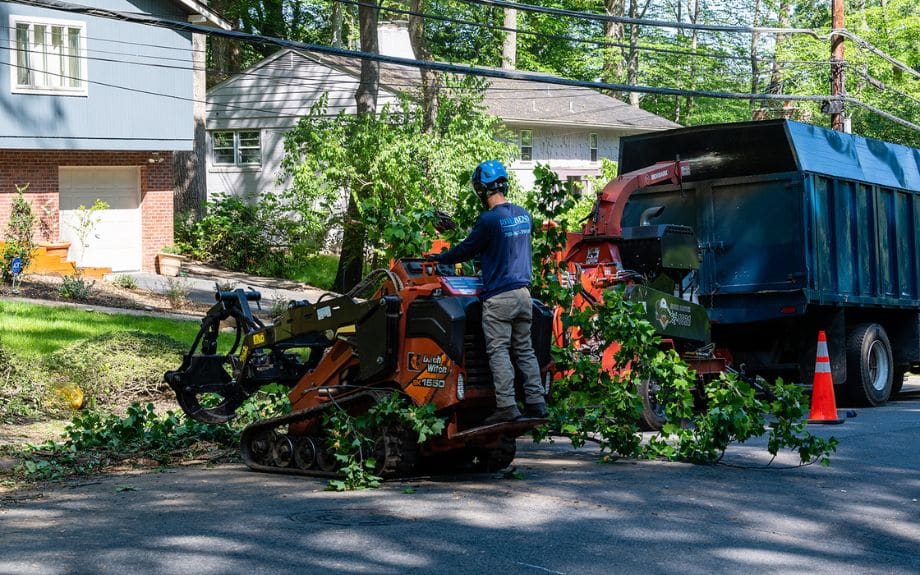
A quality tree care company should have numerous reviews on sites like Google, Angi, and Facebook that will help you gauge if they are worthy of your trust. Look for reviews about tree pruning and see what other customers say. Some things you can learn from reviews include:
- Was the service completed on time?
- Was the pruning precisely what was discussed?
- Did the company clean up afterward?
- Are the trees doing well now?
5. Industry Memberships
Seeing a company willing to maintain industry memberships with their local chapter of the ISA or with the TCIA should give you some peace of mind that they are willing to follow those organization’s recommendations. Most tree care companies should advertise their industry memberships on their website. If in doubt, ask them about any memberships during the initial assessment of your tree and property.
6. Avoid Deals That Are Too Good to Be True
We all want to save a few bucks, and when tree care gets expensive, it may be tempting to try out a tree care company offering an unbelievable deal. Unfortunately, in our industry (as with most industries), cheaper is not always better.
While a cheap deal on pruning may seem like a lucky break, it may be hiding something sinister. A company offering this deal may be saving money by cutting corners, such as:
- No proper safety equipment for the team
- Inadequate equipment to complete the job
- No insurance or workers’ compensation
- No training for the staff
These short-term deals can lead to long-term headaches. Improper pruning can seriously damage your trees, requiring costly repairs and extensive care to recover.
PRO TIP: For more information about the actual cost of too-good-to-be-true deals, read our previous article on the topic: 3 Hidden Costs of a Tree Service “Deal”
Frequently Asked Questions About Tree Pruning
What’s the difference between a Certified Arborist and a general landscaper?
An ISA Certified Arborist has completed rigorous training, logged practical hours, and passed an exam so that they’re equipped to diagnose tree health issues and make pruning decisions that benefit the tree long-term. A landscaper may have pruning skills but typically lacks the specialized knowledge and credentials to handle complex tree care.
Can I prune my own trees instead of hiring a professional?
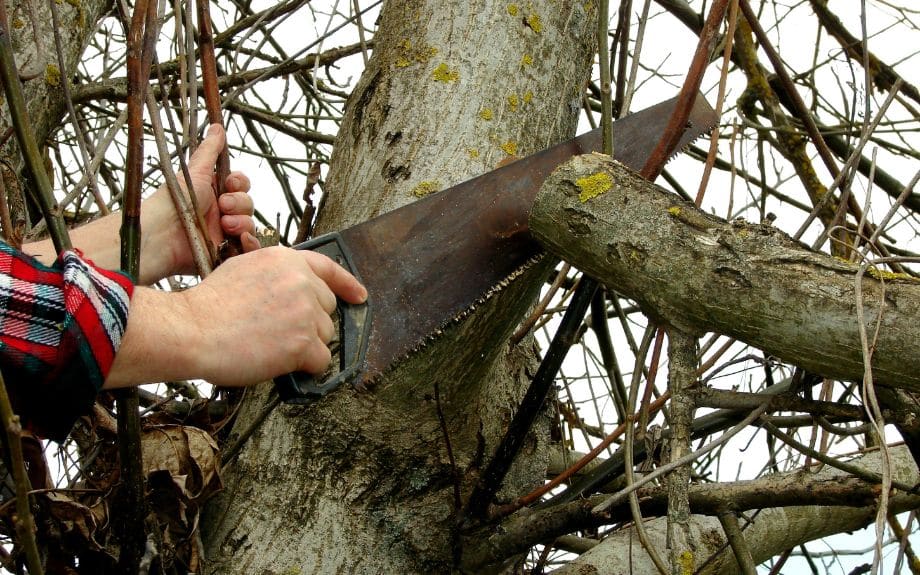
Small shrub pruning is manageable for homeowners, but tree pruning involves working at height, managing heavy limbs, and understanding species-specific needs that require professional equipment and expertise. One mistake can weaken a tree’s structure or create an entry point for pests and disease.
How often should my trees be pruned?
Most healthy trees benefit from pruning every 3 to 5 years, though some species and situations call for more frequent attention. A certified arborist can assess your trees and recommend a schedule based on their age, health, species, and goals.
What should I do if a tree pruning company offers to remove a tree that another arborist said should be pruned?
Get a second opinion from another ISA Certified Arborist before agreeing to removal. Some companies may recommend removal for profit rather than tree health, so a professional assessment from an independent source can help you make the right call.
Riverbend Can Help with All Your Tree Pruning Needs
By understanding the key factors that distinguish a top-notch tree care company, you can make informed decisions to ensure the health and longevity of your trees. Proper pruning is essential for tree vitality, but improper techniques can have detrimental effects.
At Riverbend Landscapes & Tree Service, we follow all industry standards and carry the proper certifications and insurance for any work. Call us today for all your tree pruning needs at 703-402-9366 or request an estimate online.

Give Us a Call at 703-402-9366
If you'd like help with your trees or landscape, have any questions, or would like to schedule an appointment with one of our Certified Arborists, please give us a call. We'd love to hear from you!
Other Articles on Our Blog