
Blog Topics
Trees across Northern Virginia are under more pressure than most homeowners realize. Decades of development have compacted the clay soils their roots depend on, summers swing between drought and saturation, and a growing list of invasive pests is spreading faster than native trees can adapt. While a tree can survive one of these, in Northern Virginia, they’re stacking on top of each other, making a tree health management guide vital.
The good news is that most of these problems are manageable if you know what to look for and when to act. Understanding how tree health management works, recognizing the warning signs of decline (even when your trees still look green), and knowing which pests, diseases, and environmental stressors are active in our area puts you in a much stronger position to protect your property.
Key Takeaways
- Tree health management is a year-round program of inspections, treatments, and soil care, not a one-time fix, and Northern Virginia’s clay soils, invasive pests, and humid climate make it essential for protecting your landscape.
- Many tree health problems are invisible to homeowners until they’re severe; regular inspections by an ISA Certified Arborist catch issues during the narrow treatment windows when they can still be addressed.
- Pests, diseases, and environmental stress are the three main threats to trees, and they often combine to cause decline or death.
- Most treatments have hard biological deadlines tied to pest emergence and seasonal conditions, which is why a structured annual program works better than reacting to problems after they appear.
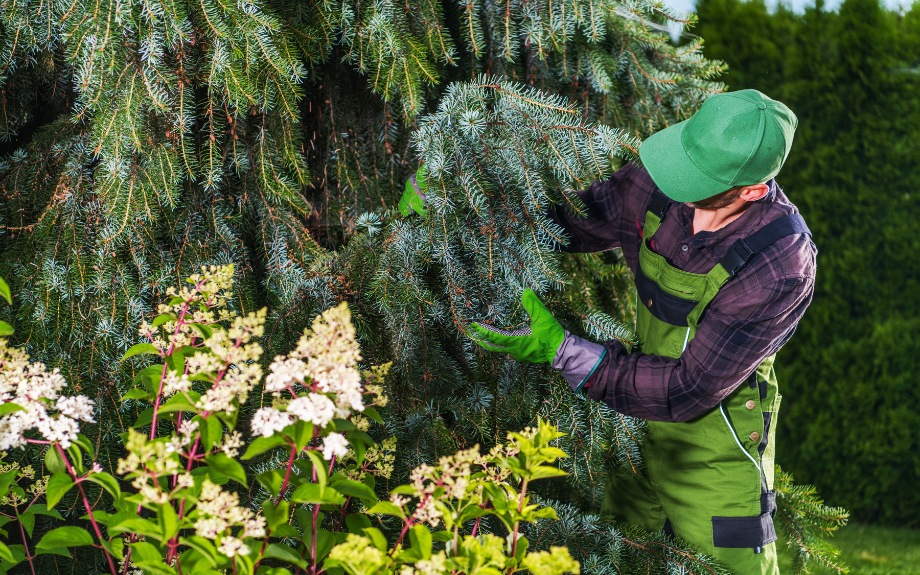
Regular inspections by an ISA Certified Arborist catch pest infestations, disease, and structural problems before they become visible to homeowners.
What Is Tree Health Management?
Tree health management — sometimes called plant health care (PHC) — is a comprehensive, year-round approach to keeping trees healthy through scheduled inspections, preventive treatments, soil care, and pest and disease management. Rather than reacting to a single problem after the damage is done, it’s a structured program designed to prevent problems before they start.
The approach is built on the principles of integrated pest management (IPM), which includes monitoring first, identifying the specific problem, treating only when necessary, and using the least-toxic effective method. It covers three core areas: pest prevention and treatment, disease prevention and treatment, and soil and nutrition management.
Why Is Tree Health Management Important in Northern Virginia?
Tree health management is important in Northern Virginia because the region’s environment creates a unique combination of stressors that most trees in other parts of the country don’t face simultaneously. Proactive care isn’t optional; it’s how you protect what is likely one of the most valuable living features on your property.
Challenging Soil Conditions
Fairfax and Loudoun counties sit on the Piedmont Plateau, where the dominant soil types are clay and clay loam. These soils hold moisture but drain poorly, creating conditions that lead to root stress and fungal vulnerability in many common tree species.
In newer residential areas, construction often makes this worse. Soil compaction, buried root zones, and disrupted drainage patterns can take years to show up as visible decline.
Climate and Weather Stress
Northern Virginia sits in USDA Hardiness Zone 7a–7b, with a humid subtropical climate that delivers roughly 40 inches of rainfall a year and increasingly unpredictable weather patterns. Heat, humidity, and swings between drought and heavy rain create ongoing stress that weakens trees over time.
Increasing Pest and Disease Pressure
On top of that, invasive pest populations, like spotted lanternfly, emerald ash borer, and ambrosia beetles, are expanding rapidly, adding biological threats to an already stressed landscape.
These factors compound each other. A tree dealing with compacted clay soil is less able to fight off a pest infestation, and one already weakened by drought stress becomes far more vulnerable to fungal disease. That’s why a proactive, year-round approach matters here more than almost anywhere else.
How Does Tree Health Management Work?
A tree health management program follows a structured process of inspection, diagnosis, and treatment, repeated across multiple visits throughout the growing season to address threats as they emerge.
Assess the Health of Your Trees
The process starts with a professional tree health assessment. An ISA Certified Arborist walks your property, examines each tree’s structure, canopy, bark, and root zone, and identifies any visible or underlying issues.
A thorough assessment typically includes:
- Visual inspection of the trunk, canopy, bark, and root flare
- Soil testing for pH, nutrients, organic matter, and compaction
- Pest and disease screening for early-stage infestations
- Risk evaluation for structural defects, deadwood, and root damage
Develop a Targeted Treatment Plan
Based on the findings, the arborist creates a custom treatment plan tailored to your property. This plan addresses both current issues and potential risks, rather than applying one-size-fits-all treatments.
Monitor and Adjust Over Time
Tree health management isn’t a one-time service. Arborists monitor your trees between visits and adjust treatments as needed, catching new problems early and improving long-term outcomes.
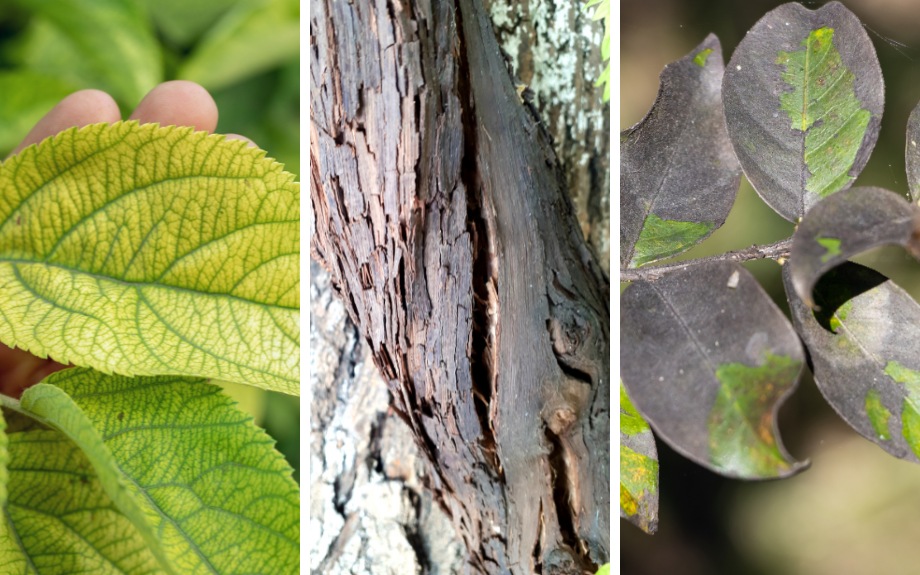
Leaf yellowing, cracked bark, and sooty mold are three visible signs that a tree is under stress and may need professional evaluation.
How to Tell if Your Trees Are Unhealthy
Several warning signs indicate that a tree is stressed or declining, but many of the most damaging problems show no visible symptoms until they’re advanced. That’s what makes regular professional inspections so valuable: they catch what you can’t see.
These are the symptoms you might notice yourself during a walk around your property:
- Leaf discoloration — yellowing, browning, stippling, or premature leaf drop
- Bark damage — cankers, peeling bark, oozing sap, or frost cracks
- Branch dieback — dead branch tips, a thinning canopy, or an asymmetric crown
- Fungal growth — powdery mildew on leaves, or sooty mold
- Boring holes or frass — tiny holes in bark with sawdust-like material nearby, or larger holes from woodpecker activity (woodpeckers often target trees with hidden insect infestations)
- Stunted or sparse new growth compared to previous years
Problems You Can’t See Without a Professional Assessment
Not everything shows up on the surface. Some of the most serious threats are invisible without professional tools and training:
- Compacted soil restricting root growth, especially common in post-construction landscapes
- Nutrient deficiencies only detectable through soil testing
- Early-stage pest infestations below the visible threshold
- Internal decay that doesn’t show on the outside
- Root damage from construction, grade changes, or soil compaction
What Types of Problems Affect Tree Health?
The threats to your trees generally fall into three categories: pests, diseases, and environmental stress. Understanding the difference matters because each requires a different approach, and in Northern Virginia, they often work together to compound the damage.
Pests
Insects are among the most common threats to trees in our area. Some feed on leaves (defoliators like caterpillars), some bore into wood (emerald ash borer, ambrosia beetles), and others suck sap from branches and trunks (scale insects, spider mites, spotted lanternfly). Many of the most destructive pests in Northern Virginia are invasive species with no natural predators here, which means their populations grow unchecked.
And pest damage compounds, as a tree weakened by one infestation becomes a target for others.
Common Tree Pests in Northern Virginia
| Threat | What it Attacks | When to Act |
|---|---|---|
| Spotted lanternfly | Maples, oaks, fruit trees, tree of heaven | Mid-summer through fall (systemic treatment window) |
| Emerald ash borer | Ash trees | Before infestation with preventive trunk injections |
| Bagworms | Arborvitae, Leyland cypress, evergreens | Early summer (most time-sensitive window) |
| Lace bugs | Azaleas, rhododendrons, sycamores | Spring (nymph emergence) |
| Spider mites | Oaks, boxwoods, broad-leaved evergreens | Spring–fall (monitor during hot, dry weather) |
| Crape myrtle scale | Crape myrtles, magnolias, ornamentals | Spring (crawler stage) |
| Leaf-eating caterpillars | Oaks, maples, fruit trees, and many other deciduous species | Spring or fall (species dependent) |
| Ambrosia beetles | 200+ species (stressed trees especially) | Spring–fall (monitor stressed trees) |
| Boxwood pests | Boxwoods | Spring |
Diseases
Fungal diseases like boxwood blight, anthracnose, and powdery mildew spread through water, wind, or contaminated tools. Other diseases, like beech leaf disease, are driven by pathogens rather than fungi, a different mechanism that requires different management.
Some tree diseases have no cure, which means prevention or early management is the only option.
Common Tree Diseases in Northern Virginia
| Threat | What it Attacks | Key Facts |
|---|---|---|
| Boxwood blight | Boxwoods | Fungal; no cure — prevention and management only |
| Beech leaf disease | All beech species | Pathogen-driven (nematode); no cure — management only |
| Thousand cankers disease | Black walnuts | Fatal; no cure — first found in Fairfax County in 2012 |
| Anthracnose | Sycamore, oak, elm, dogwood, maple | Fungal; spring transmission via splashing water |
| Oak decline | Oaks (especially red oaks) | Complex — stress + insects + root rot combined |
Environmental Stress
Compacted clay soils, construction damage, improper watering, salt exposure, and heat stress all take a toll on trees, and these are some of the most common conditions in Northern Virginia. Environmental stress is often the first domino to fall: it weakens the tree’s defenses, making it more vulnerable to pests or diseases.
How Are Tree Health Problems Treated?
Tree health problems are treated through trunk injections, soil injections, foliar sprays, dormant oil applications, deep root fertilization, and soil aeration. Each method is suited to specific types of pests, diseases, or environmental stress.
Trunk Injection
Trunk injection delivers treatment directly into a tree’s vascular system through small ports drilled into the trunk. The tree’s own transport system carries the product throughout its canopy, making it highly effective for pests like emerald ash borer, spotted lanternfly, and scale insects.
Soil Injection and Drench
Soil-applied treatments target the root zone, either injected under pressure or applied as a drench that soaks down to the roots. Once absorbed through the root system, the treatment provides systemic protection from the inside out. This method is commonly used for scale crawlers and certain fungal issues.
Foliar Spray
Foliar sprays apply treatment directly to leaf surfaces using high-pressure equipment. They’re used for active infestations that need immediate contact. Spider mites, lace bugs, and caterpillars are often common targets.
Dormant Oil Application
Dormant oil is applied in late winter or early spring before new growth begins. It works by smothering overwintering pests and their eggs on bark and branches, reducing the population before the growing season starts.
Deep Root Fertilization
Deep root fertilization injects a custom-blended nutrient mix directly into the root zone, bypassing compacted surface soil that blocks absorption. The blend is based on soil test results, so it targets the specific deficiencies your trees are dealing with rather than applying a generic formula.
Soil Aeration
Soil aeration loosens compacted ground around the root zone to improve water penetration and root development. In Northern Virginia, where clay soils and construction compaction are widespread, aeration can be the single biggest improvement for long-term root health. Pairing it with organic mulch helps maintain the benefits over time.
When Should Trees Be Treated for Health Problems?
Trees should be treated during specific biological windows that shift from year to year. If you miss the window because you’re not prepared, the treatment may be ineffective, or it may be too late entirely.
Pest emergence isn’t tied to calendar dates. Arborists track it using growing degree days (GDD), which is a measure of how much heat has accumulated over the season. A warm spring can push pest emergence weeks earlier than expected, while a cool one delays it. The treatment window might only stay open for a few weeks, and without monitoring GDD, there’s no reliable way to know exactly when it opens or closes.
This is one of the biggest reasons tree health management requires professional oversight. An ISA Certified Arborist tracks these conditions throughout the season and schedules treatments accordingly, something a homeowner checking the calendar simply can’t replicate.
Why a Seasonal Program Works Better Than One-Time Treatment
A single treatment can only address whatever is active on the day the arborist visits. But Northern Virginia trees face different threats at different points in the season, such as scale insects in spring, spider mites in summer heat, and spotted lanternfly adults in late summer. A one-time visit can’t cover all of those windows.
A seasonal program spaces visits throughout the growing season, so each treatment targets specific threats as they emerge. It also gives your arborist the chance to reassess conditions between visits, catch new problems early, adjust for unusual weather, and confirm that earlier treatments worked. That kind of ongoing oversight is what separates proactive care from a one-time fix.
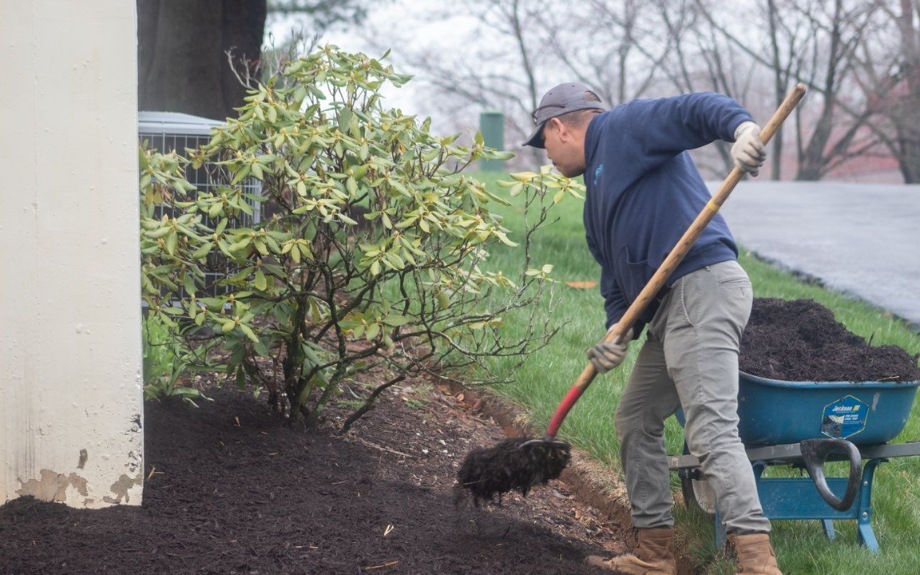
Applying organic mulch around the root zone helps retain moisture, moderate soil temperature, and improve long-term root health in compacted clay soils.
Frequently Asked Questions About Tree Health Management
How much does a tree health management program cost?
Costs vary based on the number of trees, property size, specific treatments needed, and the severity of any existing issues. A professional inspection and soil assessment is the best starting point for getting an accurate estimate for your property.
Can I provide plant health care myself?
Some minor issues can be managed at home, but most serious pests and diseases require professional equipment, commercial-grade products, and precise timing. Misapplied treatments can be ineffective, waste money, or harm beneficial insects. For anything beyond basic monitoring and watering, we recommend consulting an ISA Certified Arborist.
How often should my trees be inspected?
We recommend at least one professional inspection per year for most properties. Trees in high-stress environments (near construction, in compacted soil, or with known pest history) may benefit from more frequent monitoring as part of a structured tree health management program.
Do healthy-looking trees still need tree health management?
Yes. Many of the most damaging problems — early pest infestations, root damage, nutrient deficiencies, or internal decay — show no visible symptoms until they’re advanced. A tree can have a full green canopy and still be in serious decline. Preventive care catches issues while they’re still treatable.
Protect Your Northern Virginia Trees with a Year-Round Plan from Riverbend
Northern Virginia’s combination of clay soils, construction-stressed landscapes, humid summers, and expanding invasive pest populations makes having a tree health management guide and professional help essential for any homeowner who wants to protect their landscape. The threats are real, they’re compounding, and most of them are invisible until the damage is done.
The best time to start a tree health management plan is before problems appear. The arborists at Riverbend Landscapes & Tree Service can examine your trees, determine the best way to treat them, and then schedule you for service at the most opportune time. Spring is the best time to work with an arborist to create a tree-saving schedule. Call us today at 703-402-9366 or request an estimate online.
Other Articles on Our Blog

Give Us a Call at 703-402-9366
If you'd like help with your trees or landscape, have any questions, or would like to schedule an appointment with one of our Certified Arborists, please give us a call. We'd love to hear from you!